People with Yashica D
via People with Yashica D – a gallery on Flickr.
I managed to get a small collection of photos about people/ photographers with their beloved Yashica D Tlr, which is my first TLR. Always have a deep emotion in it… amazed by the fantastic results it could produce. very reliable but light-weight TLR, one of the biggest success of Yashica during 1970s.


Seriously… Rolleiflex, SGD 525.00
There is kind of saying that… if you are into medium format photography, you must have a Rolleiflex…
What is amazing about Rolleiflex?
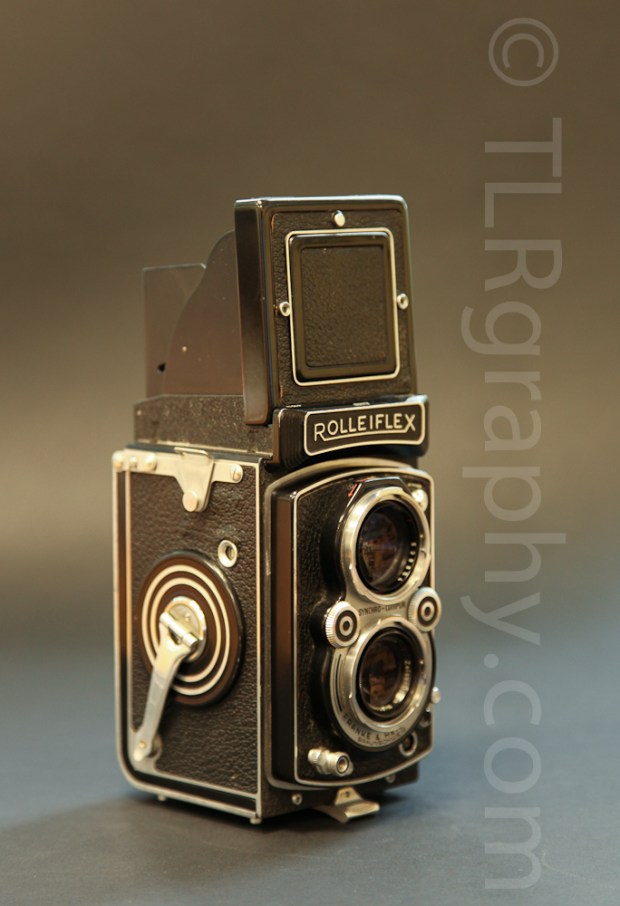
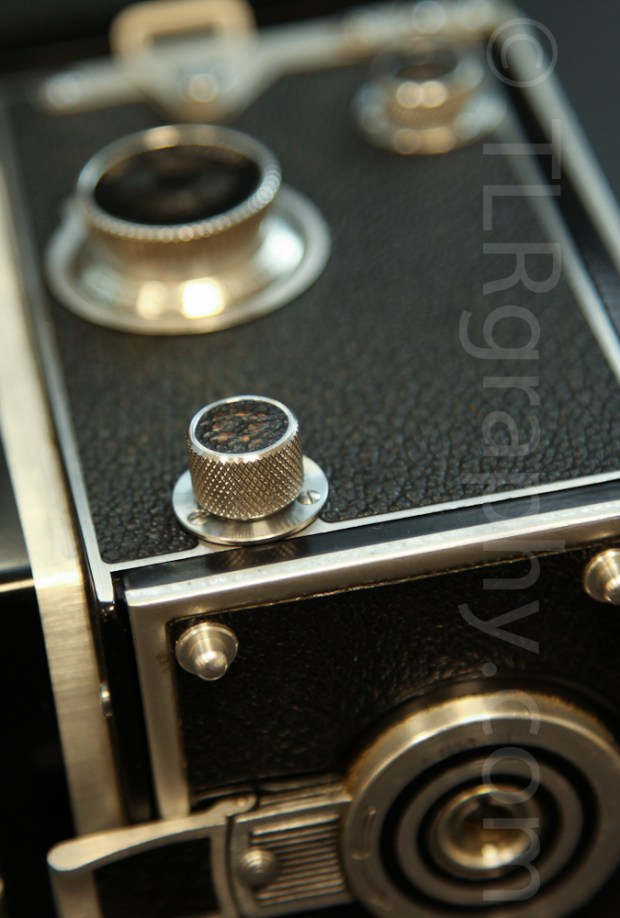
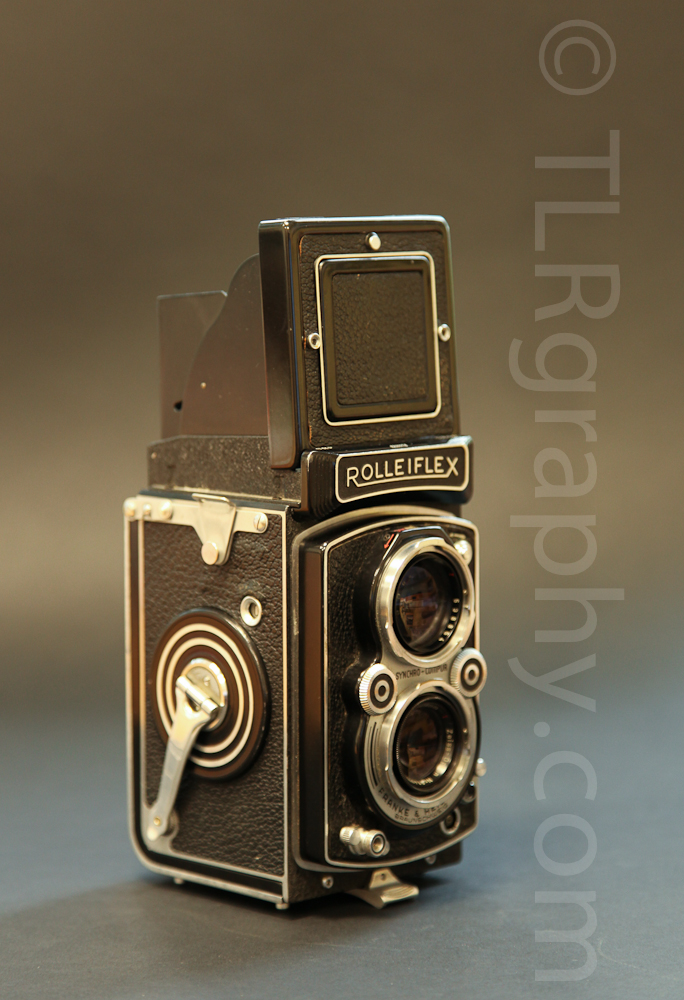
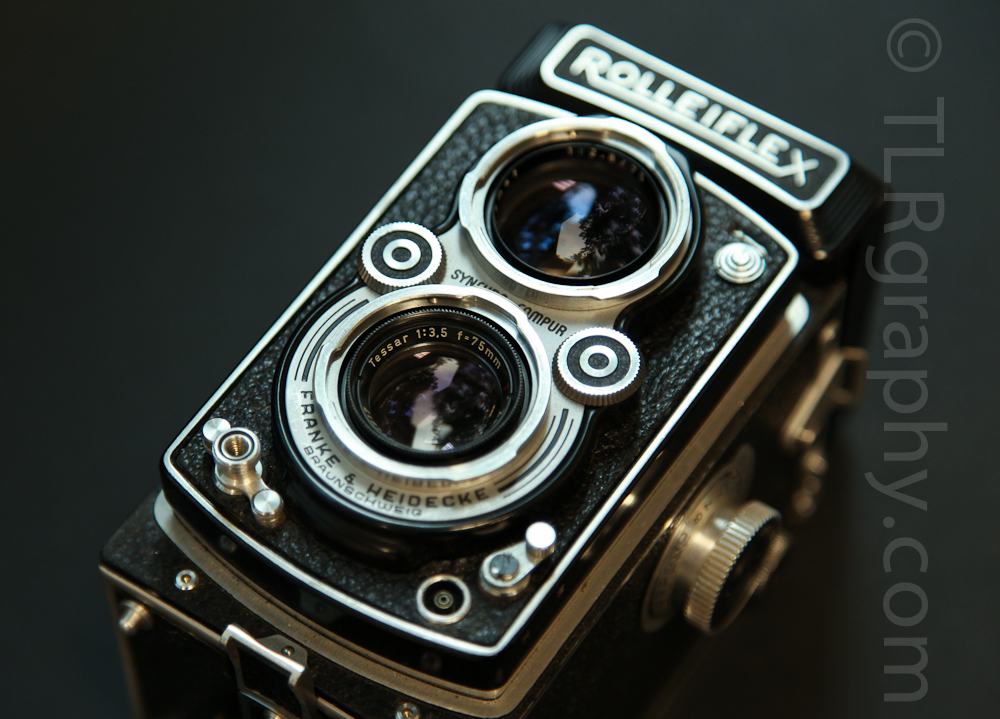
I have a set of Rolleiflex Automat K4A, produced in 1952. See some photos of this charming Rollei at the end of this post.
If you are looking for some sample photos of this camera, check out this set on Flickr

——————————————————————————————————
Rolleiflex is a series of medium format 120 roll film cameras manufactured by Franke & Heidecke, (now Rollei GmbH), in Germany.
The Square idea that changed photographic History Without any doubt was the introduction in 1929, of the first Rolleiflex Twin Lens Reflex ( TLR ), a sensation: an as ingenious as simple principle that quickly made the Rolleiflex THE must have professional camera all over the world. Producing high quality 6×6 cm square negatives in a compact very easy to operate camera, with the best lens available. Ther was no photographer who would not master one, no apprentice who would not wish to own one. For the professional, the Rolleiflex was like a gift from heaven, it meant a radical change in his/her creative work. Being able to work fast with a large size negative, light weight and superior quality made the choice as simple as important. There was no newspaper, no magazine, no photographic book that would not have some Rolleiflex photos in their publications. For decades, Rolleiflex cameras would have a decisive effect on photographic history. Many world-famous images originated from that small piece of fine mechanical art made bij the factory from Franke and Heidecke in Braunschweig, Germany. It was the beginning of a technical evolution that would be imitated by many other manufacturers around the Globe with sometimes successful but often poor copies of the bench-mark Rolleiflex. Franke & Heidecke are proof of being the master in that field , with the nowadays massive switch-over to digital, the traditional Rolleiflex TLR is still in production AND development. Very few companies in the world can boast such a long record with one basic design which has been improved on a regular basis yet still so closely resembles the original invention. from Rolleiclub
The Rolleiflex Automat Series
Rolleiflex Automat (X sync.) is a medium format TLR film camera manufactured by Franke & Heidecke, Braunschweig, Germany, and produced between 1949-51.
Automat (X sync.) is also known as Model K4 / 50.[1] [2]
The main difference is added flash X sync. than Automat Model 3.
All Rolleiflex Automat series was produced between 1937-1956. Automat name stands to introduced automatic film counter in 1937; this counter senses the thickness of the film backing to accurately begin counting frames, obviating the need for the ruby window that forced the photographer to read the frame number off the back of the film itself. Rolleiflex TLR film cameras were most famous and the standard of news and studio photographers for decads. Many photographers still shoot with Rolleiflex TLR film cameras and black-and-white film.
Specifications
- Serials: 1.100.000 – 1.168.000
- Film: 120 roll film, picture size 6x6cm & 35mm with Rolleikin I adapter set
- Taking lenses: All with filter Bayonet I
- Zeiss Tessar 75mm f/3.5
- Zeiss Oberkochen Opton 3,5/75
- Schneider Xenar 3,5/75
- Finder lens: Heidoscop Anastigmat 75mm f/2.8 filter Bayonet I
- Waist level finder with sports finder
- Shutter: Compur-Rapid 1-1/500 +T & B
- Standard X sync
- Self timer
- Winding: lever with auto stop, no red window, film pressure plate with black color coating
- Lever also cocks the shutter
- Double exposure prevention
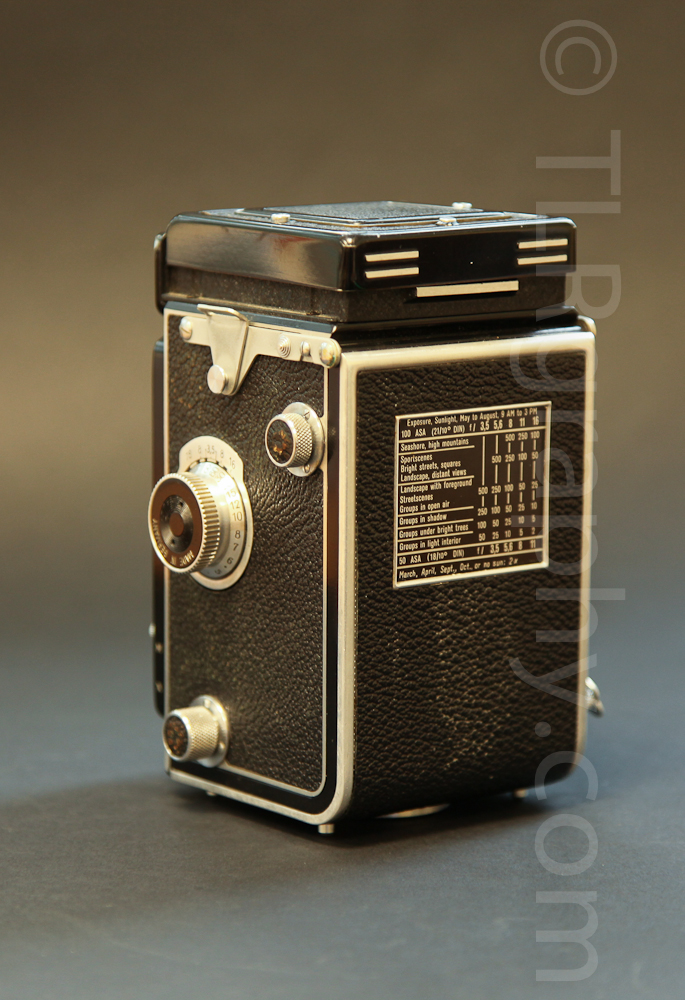
- Backcover: hinged with exposure guide table, removable that can be exchanged for a dual film format back
- Weight: 965g
- The camera could be used with Rolleikin I to use 35mm film & with the special glass plate film adapter. Also useable after modifications: Rolleimarin I under water housing, Rolleimeter, Rolleiflash, Rolleikin 2 with dual format back.
- The following parts of this model can be modernized: larger focusing knob & release safety lock.
Automat (MX-EVS) Model K4B
- Produced between 1954-56
- Serials: 1.428.001-1.739.999
- Main differences than Automat (MX) Model K4A:
- Shutter: [Synchro-Compur]] LVS (Light Value System)
- From serial 1.464.000 the EV coupling can be disengaged by pressing a button in the aperture wheel
- From serial 1.700.000 with a switch in the aperture wheel.
Automat (MX) Model K4A
- Produced between 1951-54
- Serials: 1.200.001 – 1.474.999
- Main differences than Automat (X sync.) Model K4/50:
- Added M and X flash sync.
- Shutter: Synchro-Compur
- From serial 1.268.000 the camera accepts hand grip and quick mount plate
The photos below are the actual photos of my Rolleiflex Automat K4A, made in Germany in 1952.



thanks for viewing
let me know if you are interested in getting this camera
tlrgraphy AT gmail DOT com
Price: SGD 525.00





Zeiss Ikoflex Twin Lens Reflex – Models Overview
Zeiss Ikoflex Twin Lens Reflex
| Zeiss no. | model | yr built | lens | shutter | comments |
|---|---|---|---|---|---|
| 850/16 | Ikoflex | 1934-37 | f6.3 or 4.5/80 Novar | Compur-Rapid, Klio, Derval | “coffee can” model, lever focus 1936, knob focus after ’36 |
| 850/16 | Ikoflex I | 1939-51 | f3.5/75 Tessar | Compur, Klio, Prontor S | same as Ikoflex II from 1937-39 (851/16) |
| 851/16 | Ikoflex II | 1936-39 | f3.8 CZJ Triotar or f3.5/75 Tessar | Compur-Rapid | lever focus in1937, knob focus after ’37, continued as Ikoflex I (850/16) after 1939 |
| 851/16 | Ikoflex II | 1939-51 | f3.5/70 Novar or f3.5/75 Tessar | Prontor | similar to Ikoflex II of 1937-39 |
| 854/16 | Ikoflex Ia | 1952-56 | f3.5/70 Novar or f3.5/70 Tessar | Prontor | shutter release located on top next to viewfinder |
| 856/16 | Ikoflex Ib | 1956-58 | f3.5/75 Novar or f3.5/75 Tessar | Prontor | improved version of Ia, shutter release located on side next to taking lens |
| 886/16 | Ikoflex Ic | 1956-60 | f3.5/75 Novar or f3.5/75 Tessar | Prontor | metered version of Ib |
| 852/16 | Ikoflex II/III | 1938-40s | f3.5/75 Tessar or f3.5/75 Triotar | Compur-Rapid or Compur | new style Ikoflex II after 1939 |
| 855/16 | Ikoflex IIa | 1950-52 | f3.5/75 Tessar | Compur-Rapid | early version with peep window on each side of taking lens |
| 855/16 | Ikoflex IIa | 1953-56 | f3.5/75 Tessar | Compur-Rapid | restyled version with peep windows directly over viewing lens |
| 853/16 | Ikoflex III | 1939-40 | f2.8/80 Tessar | Compur-Rapid | Albada finder |
| 887/16 | Ikoflex Favorit | 1957-60 | f3.5/75 Tessar | Synchro-Compur | LVS light meter, last Ikoflex |
 TLRgraphy