Franke & Heidecke GmbH Rollei Rolleiflex Auction Liquidation Sale
Lots of good stuff… what a pity
I wish I could be there to get hold of some of these tools and equipments.
Check out the details below:
Bildkatalog: Insolvenzversteigerung des Kameraherstellers DHW Fototechnik GmbH (ehem. Franke & Heidecke GmbH), Salzdahlumer Str. 196, 38126 Braunschweig | Proventura Industrie-Auktion GmbH | Insolvenz-Auktion Konkursware Versteigerungen <!– –>//


| Beginn: | Di. 21.04.2015 10:00 Uhr |
| Ansprechpartner |  Johann Zimmermann Johann Zimmermann05 51 – 21 40 0 (Göttingen) |
| Ort: | DHW Fototechnik GmbH Salzdahlumer Str. 196 38126 Braunschweig |
| Besichtigung: | Siehe Unten |
| Abholung: | Siehe Unten |
Information:
Es handelt sich um eine Nachfolgegesellschaft des traditionsreichen weltbekannten Herstellers der zweiäugigen Rollfilmkamera aus Braunschweig (Namensrechte geschützt), ehem. Franke & Heidecke GmbH)
1.100 Pos. mechanische und optische Fertigung, CNC-Fräsen, CNC-Stangendrehautomaten, CNC-Drehmaschinen, konventionelle Metallbearbeitung, Pressen, Stanzen, Tafelschere, Bohrmaschinen, Gleitschleifmaschinen, Teilewaschanlage, Tampondruckmaschine, Lagerpaternoster, Messmittel, optische Geräte, Prüfmaschinen, Endfertigung, Betriebseinrichtungen, Optische Gläser und Linsen, Vorräte, Büros, etc. (Know-How-Pakete und Halbfertigwarenlager werden separat verkauft, Restbestände hiervon kommen noch in die Versteigerung.
Termine Besichtigung und Warenabholung:
- Montag, 20. April, Vorbesichtigung von 15 – 19 Uhr
- Dienstag, 21. April: mechanische Vorfertigung Erdgeschoss und Keller (bis Pos. 637), Besichtigung 7:00 – 11:00 Uhr, Warenabholung ab 13:00 Uhr
- Dienstag, 21. April: Endmontage und optische Prüfung, Obergeschoss (ab Pos. 638), Besichtigung 7:00 – 16:00 Uhr, Warenabholung nach der Auktion.
- Mittwoch, 22. April bis Donnerstag, 30. April: weitere Warenabholungen. Danach sind keine Warenabholungen mehr möglich. Bei nicht fristgerechter Abholung werden die Waren kostenpflichtig eingelagert, umgelagert oder vernichtet.
Bildkatalog: Insolvenzversteigerung des Kameraherstellers DHW Fototechnik GmbH (ehem. Franke & Heidecke GmbH), Salzdahlumer Str. 196, 38126 Braunschweig | Proventura Industrie-Auktion GmbH | Insolvenz-Auktion Konkursware Versteigerungen <!– –>//


How to use a Rolleimeter


Purpose: An optical coupled range finder for use with the direct view finder of the Rolleiflex particularly suitable when shooting sports or flash pictures in poor light,
Description: The Rolleimeter uses the superimposed image principle and is actuated by and coupled to the moving front panel of the camera. It is attached to the nameplate directly in front of the direct view finder. A vertical glass rod with focusing spot far the two images can be seen when lacking through the tinder. Focusing the camera by superimposing the two images so that the outlines exactly coincide insures sharp focus. Framing and focusing are accomplished while looking through the tinder, without making the eye train one position to another.
Before using the Rolleimeter two simple adjustments are required:
1. A one time adjustment of the actuating lever (screw a) to suit the focal length of the lens employed.
2. Adjustment of the lever button (screw b) so that the range finder indicates sharp focus at infinity (oo) when the camera is in focus at the same distance. This adjustment should be rechecked from time to time.
Rolleinar: The Key to Make Perfect Portrait Photography with Rolleiflex
If you are interested in buying some rolleiflex cameras or accessories,
Visit: http://www.dzp-camera-cafe.com/
Ever Wondering why some of the portrait photography taken by Rolleiflex or Rolleicord are so engaging? Distance between the camera and the subject is the key.
To get a close-up portrait with your Rolleiflex TLR, You will need this essential accessory – Rolleinar.
This is how it looks like when installed on a Rolleiflex 2.8F:

On a Rolleiflex 2.8E:
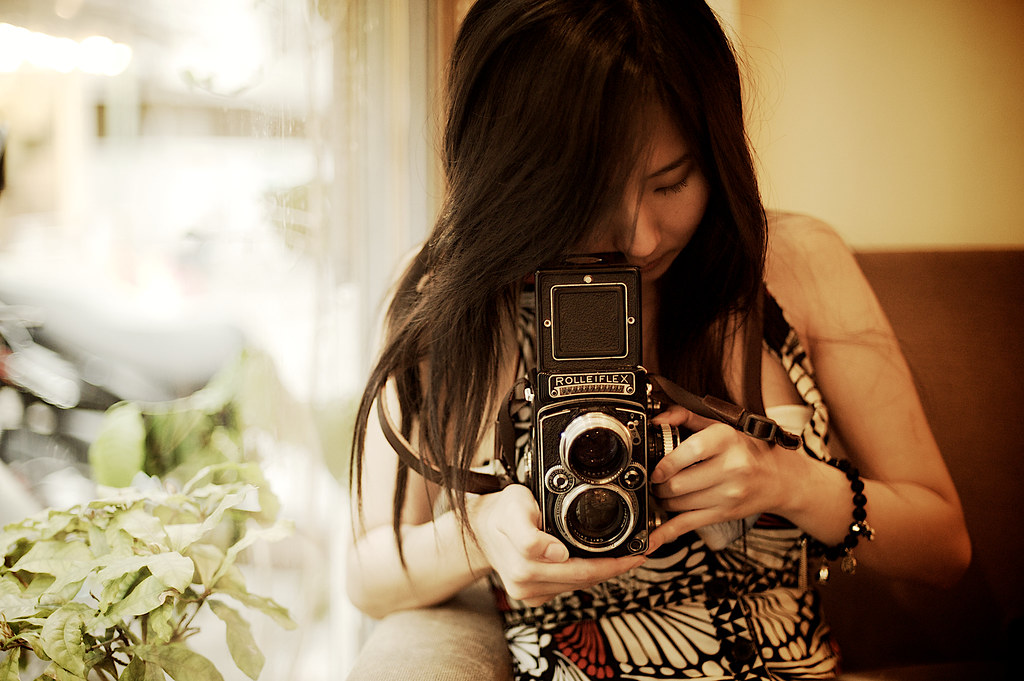
Some photos from Flickr:
Rolleiflex 2.8E with Rolleinar 1:
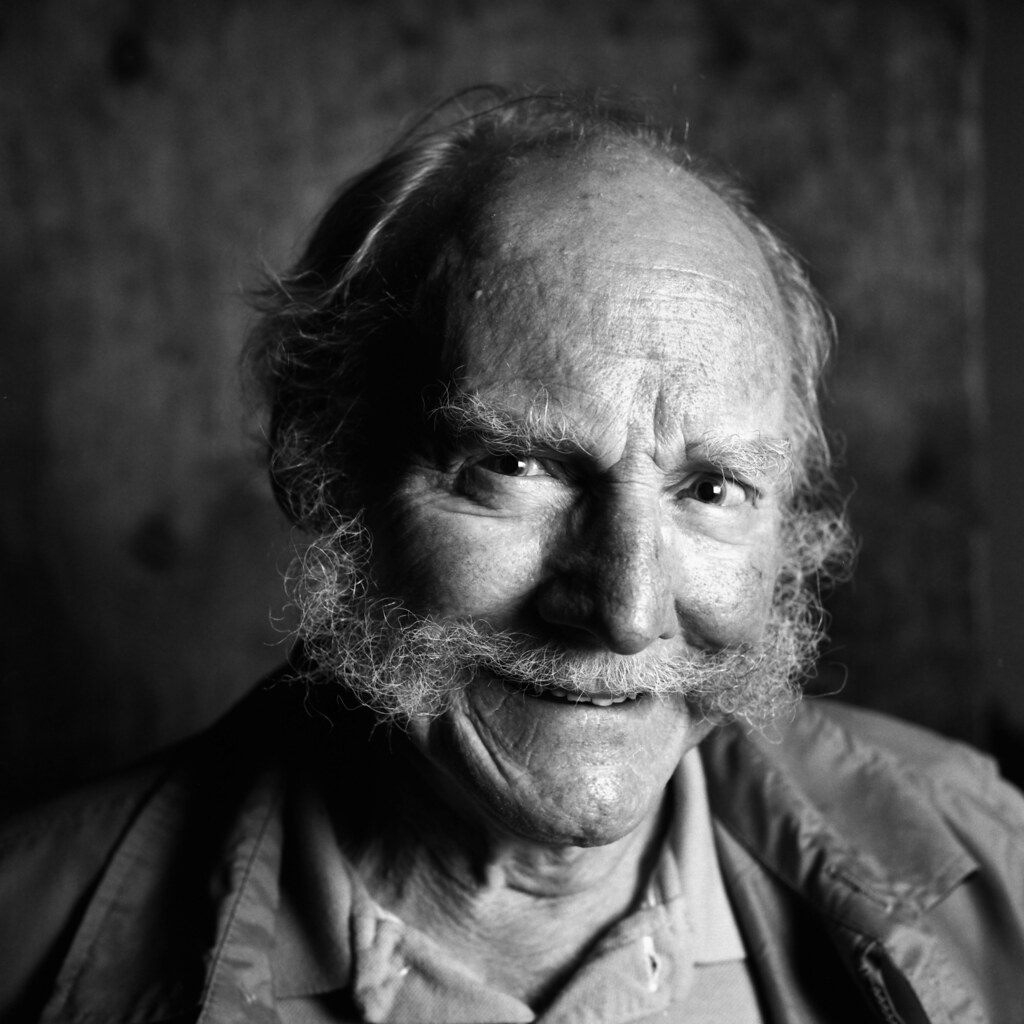
Rolleiflex 2.8F with Rolleinar 1

Yashica 124 with Rolleinar 2:
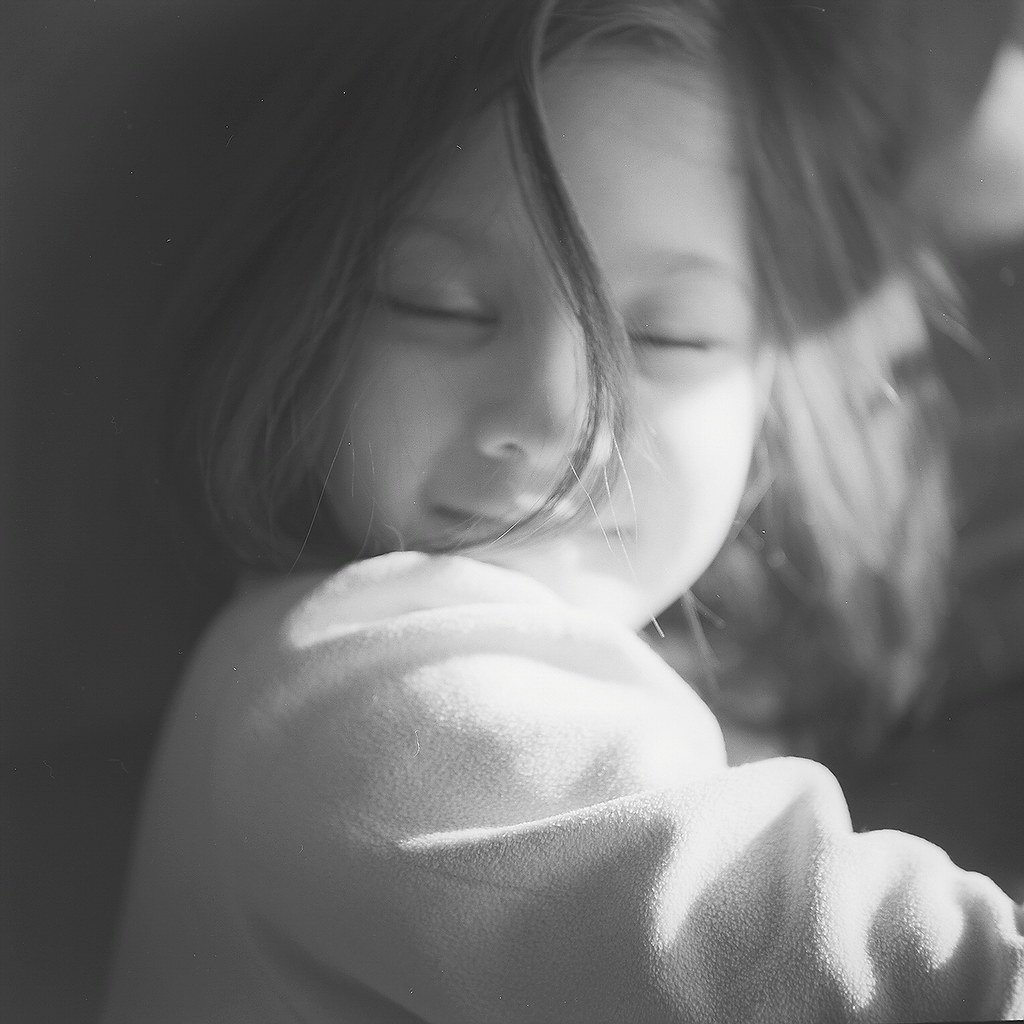
Rolleiflex 2.8 With Rolleinar 1 and Hellblau

Rolleiflex 2.8E with Rolleinar 2
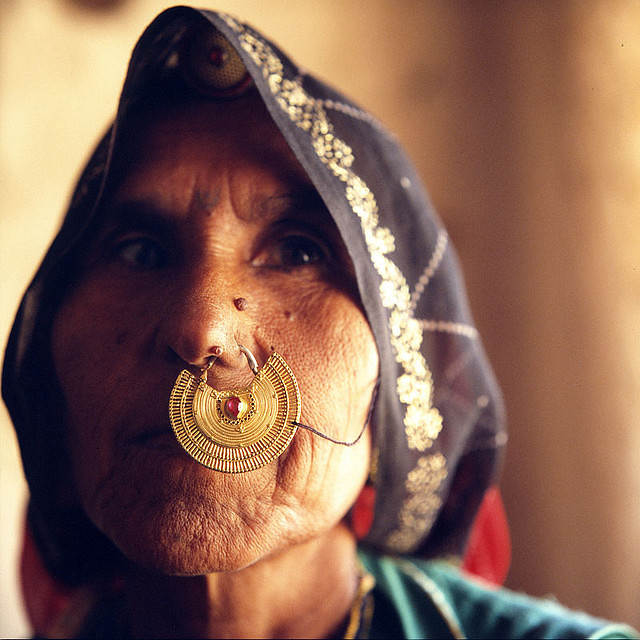
Rolleicord with Rolleinar 2

Rolleiflex 3.5F with Rolleinar 3

Some Rolleinars at different sizes:


Rolleinar, the close up filter for Rolleiflex and Rolleicord
Rolleinar 1, 2 and 3
Designed for: Close up shots at distances closer than 1 meter,
Use: With the two Rolleinar sets 1 and 2, the Rollei is converted for a focusing range from 39 1/2–17 3/4 (18 1/2) in. and 19 3/4 –12 1/8 (12 1/2) in., see page a. Each set is composed of two optically matched frontal lenses with different mounts. The Rolleinar with the thicker mount is for the viewing lens (Heidasmat) and contains a built-in prism for parallax correction. As a result the field of view in the ground glass coincides with the photograph even at very short distances. A red dot an the mount indicates the uppermost side of the lens for correct positioning in use.
The same instructions apply to the Rolleinars with bayonet size I (see page 2) using a separate Rolleipar parallax corrector for each set. Here too the Rolleipar is always attached to the viewing 1ens Rolleinar red dot up.
Focusing is accomplished as usual an the ground glass screen. The depth of field being rather limited at close range, considerable stopping down is advisable with Rolleinar lenses. The depth of field table indicates the most advantageous stops for the 25 1/4 X 2 1/4 – and 1 X 1 1/2 inch size.
The advantage of a large reproduction should not mislead to indiscriminate shortening of the camera-to-subject distance with close-ups, as this practice would entail danger of distortion. It is less great with objects having a shallow depth of field. For the same reason portrait heads should, if possible, not be taken at distances closer than 40 in.
Rolleinar Lenses require no increase of exposure.
To install: First attach the taking lens Rolleinar and then the viewing lens Rolleinar with prism in front. Insert into the inner bayonet and turn to the right until they click into position. The red dot on the viewing Rolleinar must be up.
Distances are measured from lens board to subject. The figures given in the tables are, for all practical purposes, usable with both 75 and 80 mm. lenses. Permissible circle at confusion = approx. 1/1000 of the focal length at 75 and 80 mm. respectively.
* Figures given in parenthesis apply to a focal length of 80 mm.
 TLRgraphy