DIY Replacing Mirror in Old twin lens reflex cameras
 |
This time, replace the mirror surface (mirror surface reflection) is the name of the domestic machine Ricoh flex VII.
Twin-lens reflex, so it is most similar to the structure, time does not change the Minolta auto code in Rolleiflex. Mirror surfaces are then extracted in this way is usually degraded. Focus position is not changed even by changing the mirror surface of the structure because it is pressed against the stopper plate spring on the left. |
 |
To which the mirror surface is available, those sold for repair camera is generally very expensive.
Cut glass is in the hardware store. It is sufficient for the cheapest ones. |
 |
It is a simple glass cutting than I had expected. I think the bend while pulling on both sides put the scratches in the glass cut it hang. Can not peel off the protective sheet until the end of the blue.
Repair of dozens of twin-lens reflex is possible with a single mirror of ¥ 1,890. No doubt because it is so you do not put a face sheet of blue glass cutting shed. |
 |
You have put a protective sheet surface of the front side blue. I’ll leave this up to the mounting surface of the sheet, so very weak. |
 |
This is a Ricoh flex, it is exactly the same procedure in the Rolleiflex. |
 |
The mirror is fixed by simply pressing plate spring. Then, peel off the protective sheet of blue. |
 |
Shiny. Brightness of the finder was felt more than doubled to experience.
I want to try so very simple. Finder of the old twin-lens reflex is to regain the glow of the time. |
|
|
This flex Aires automat (with Nikkor).
Hood focus of many twin-lens reflex depart with four screws. |
 |
Severe degradation of the mirror surface. Is how the mounting plate is pressed against the stopper in the spring as well. Even if there is no movement of the focus to be replaced. |
 |
We cut a new surface mirror. Since the tip of the cut glass is not stable at normal scale, I will use one that does not slip if there is a certain thickness.
Cutting units of 100-yen shops, this is also useful as a mouse pad actually. |
 |
Here but have to peel off the sheet, those who do not have good peel.
So I tried to put Fresnel incidentally here buying. |
|
WARNING *** *** Let’s not act to earn margins, such as auction based on information that has been opened to the public on amateur camera repair workshop. |

Yashica Mat 124G Review – One of the most popular TLR

I have this TLR for over a year by now. It has been a pleasant experience with this classic camera and it is time for a report to share what I get fascinated with this TLR and perhaps note down some difference in experience that I have with the Rolleiflex Automat MX-EVS.

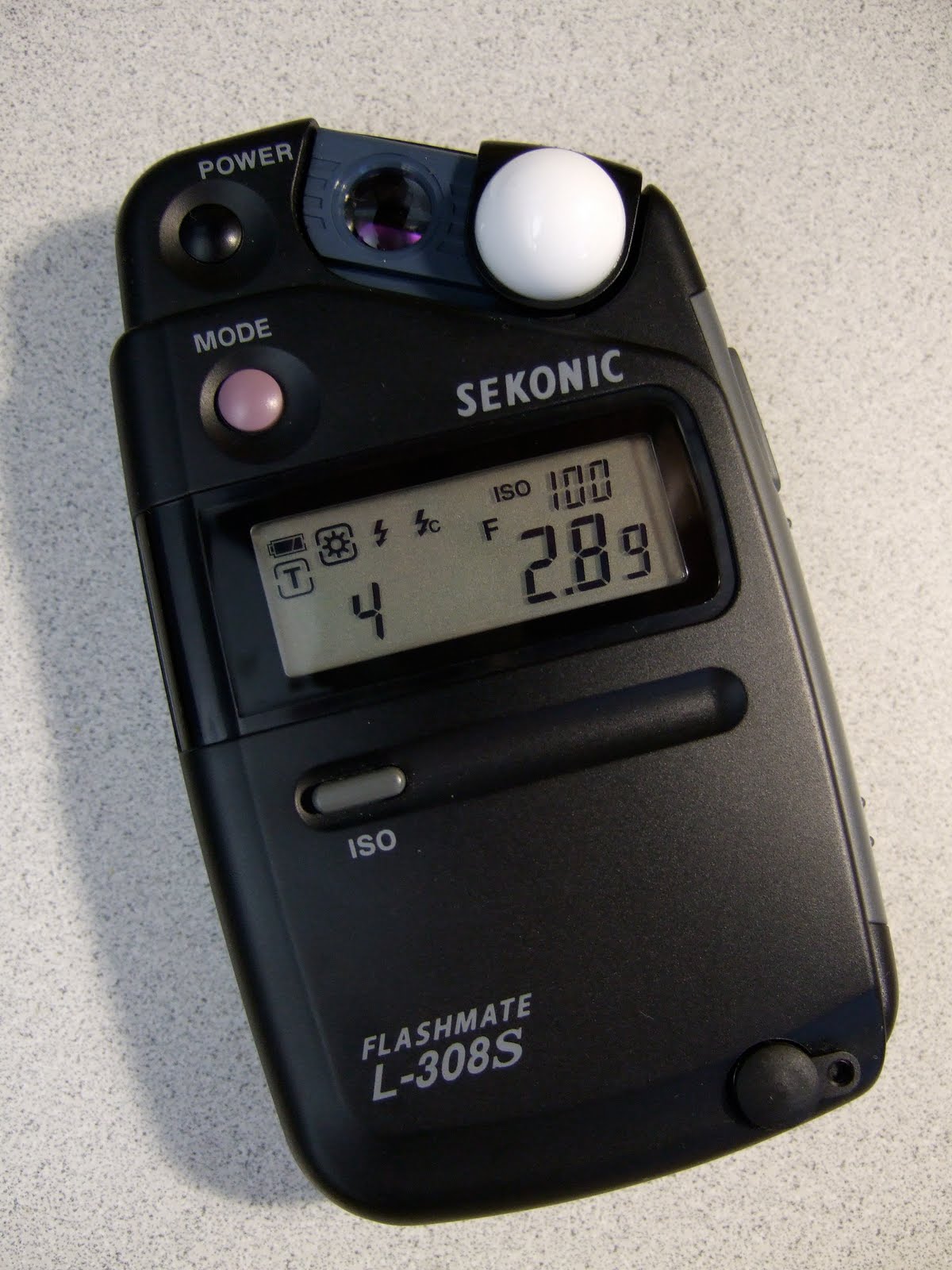 First of all, it has a built-in meter and it is a convenient feature to have. My Yashica works surprisingly well with the built-in meter when I first got it. After halve year of storage, I forget to unload its battery and I got its metering all ruined due to corrosion of battery. I opened up the top waist level finder and it seems like a do-able job to re-wire the metering but so far I have not attempted to fix the broken meter. Instead, I added a Sekonic flashmate L-308S to help with the metering.
The Sekonic light meter works quite well with my Yashica. I tried both b&w and color films on my Yashica Mat 124G and both come out nicely. The Yashinon 80mm f/3.5 is reasonably sharp and has good contrast in the color photos. The next thing that I need to try is to use it more on various films and research if I can use a flash on the Yashica.
 Shot with Fuji Acros 100, Sekonic L-308S
The Tech Museum of San Jose
 Shot with Fuji Acros 100
metered with original meter
 Shot with Fuji Acros 100
metered with Sekonic L-308S
 Shot with Fuji Acros 100
metered with Sekonic L-308S
 Shot with Kodak Ektar 100
metered with Sekonic L-308S
 Shot with Kodak Ektar 100
metered with Sekonic L-308S
Impressions & Notes
- The Yashinon 80mm f/3.5 is reasonably sharp and I am well pleased with the results.
- The built-in meter is a nice feature to have but mine is unfortunately broken. It is important to remember my lesson to remove the battery when not in operation.
- Unlike the Rolleiflex Automat MX-EVS that I had, its focusing screen is easier for me to focus. The ground glass with circular rings along with the magnifier provide me enough detail in good lighting to focus at ease. It takes some practice and it is more difficult for indoor type of lighting. Overall, I think I find focusing easier on the Yashica than my Rolleiflex.
- The film rewind is not as refined and controlled as the solid rewind lever in the Rolleiflex. The rewind lever in Yashica does not give you the confidence for long lasting lever. The build quality in Yashica can’t match the solid build quality in the Rolleiflex. The build in Yashica is good but not outstanding like the Rolleiflex.
- I managed to open up the top portion of its waist level finder and I managed to clean up the internal mirror housing and it can be done with caution. Re-assembly can be tricky and I will try to update this post with links to instructions for cleaning the internal mirror.
- It is lightweight and that is the best part about this TLR. With a good neck strap, this TLR is very portable for hours of shooting. You will end your film roll wanting more to continue the shooting. It is very pleasant to carry around for a longer period of shooting time as in a half day of shooting.
- I recently use the Yashica with a lightweight tripod and I can frame with more confidence for critical angle and position.
- It takes sometime to get used to the reverse orientation in framing but by the time I get to my 3rd roll, I no longer have that awkward feeling in unfamiliar framing withTLR
- The Yashica opens up my desire for more square photos in 6×6. It is very addictive in the process.
- Scanning at home with a limited flatbed is MUCH easier with 120 films when compared to 135 films
- It is unfortunate to note that many Yashica Mat 124G are over-priced in the used market. It used to be in the $100’s and now a good copy is frequently bid up to over $200. And it is always a risk on the unknown conditions subject to the mercy and honesty of the seller in the listing. My copy is likely not the norm in the eBay as it is just really in Excellent condition and I was one of those who bid Yashica over $200. Shame on Hin! In my opinion it should be much less as in $150 or so.
 TLRgraphy