Flickr: The Ikoflex -Zeiss Ikon TLR- Pool

Flickr: The Ikoflex -Zeiss Ikon TLR- Pool.
here is another flickr TLR group, the Ikoflex Group.
A great collection of nice 120 6*6 photos produced from the germany made Ikoflex.

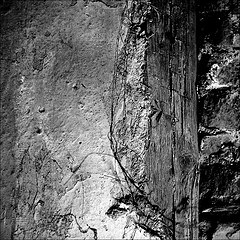


Zeiss Ikon Ikoflex IIa (late)
I was searching about this camera and saw a post by a photographer from Taiwan (I guess). The photos below were produced by this photographer (Losanfo) using his/her ikoflex IIa late versions.
Below is a image of his camera.
A pretty interesting camera using a tessar lens made by zeiss. Its value is increasing very fast recently.

View lens:Teronar 75mm f3.5
Taking lens:Tessar 75mm f3.5
Film type:120 Roll film
Pruduced:1950~1952
IKoflex IIa manual


The Yashica 12: A Review
hello reality – The Yashica 12: A Review.
Geof did a review on Yashica 12 TLR. Based on the production quantity, the number of Yashica 12 produced is only one third of Yashica 124. Guess what, the number of yashica 12 existing is only 5.4% of the famous Yashica 124G.

About
The Yashica 12 is a 120 medium format camera. It takes 12 photos on a roll of 120 film, producing a 6x6cm or 2.25×2.25in negative. It has a 5×5 grid to aid composition. The square format was absolutely fantastic. Being used to a 35mm and similar digital aspect ratio, this format was a nice experience. It gave me fresh compositions, and forced me to think differently.
The camera is pretty straightforward. It’s entirely mechanical. The fact that it has lasted nearly half a decade is a testament to its durability.
Glass and Bokeh
While the Yashica-12 isn’t quite as iconic as the Rollei TLRs, it’s build quality is fantastic and the glass is fairly decent. The 80mm f3.5 Yashinon lens produces sharp images and pleasant bokeh.
Build Quality
This camera isn’t the lightest. But I wouldn’t hesitate to take it on a short hike. It’s dimensions fit pleasingly in the hands. The leatherette is still intact, and looks like it will last some time.
Overall
This camera is pretty fantastic. Sure, it doesn’t have iTTL, or even a functioning light meter (the mercury riddled batteries for it are no longer made). But, it’s enjoyable to shoot with. It’s slow operating, and only takes twelve shots to a roll. It may not seem attractive to todays PowerShot strutting user, but that’s not the point. This camera’s purpose is to enforce the user to take their time. Compose their image. And ask the often overlooked photography question: “Is this worth taking a photo of?”
 TLRgraphy